The Art of Programming the ZX Spectrum
Book: Paperback · English
Bernard Babani Publishing Ltd · 1983 · Pound sterling 2.50 · 138 pages · ISBN 0-85934-094-5
Also known as ZX Spectrum: Leren Programmeren (Dutch)
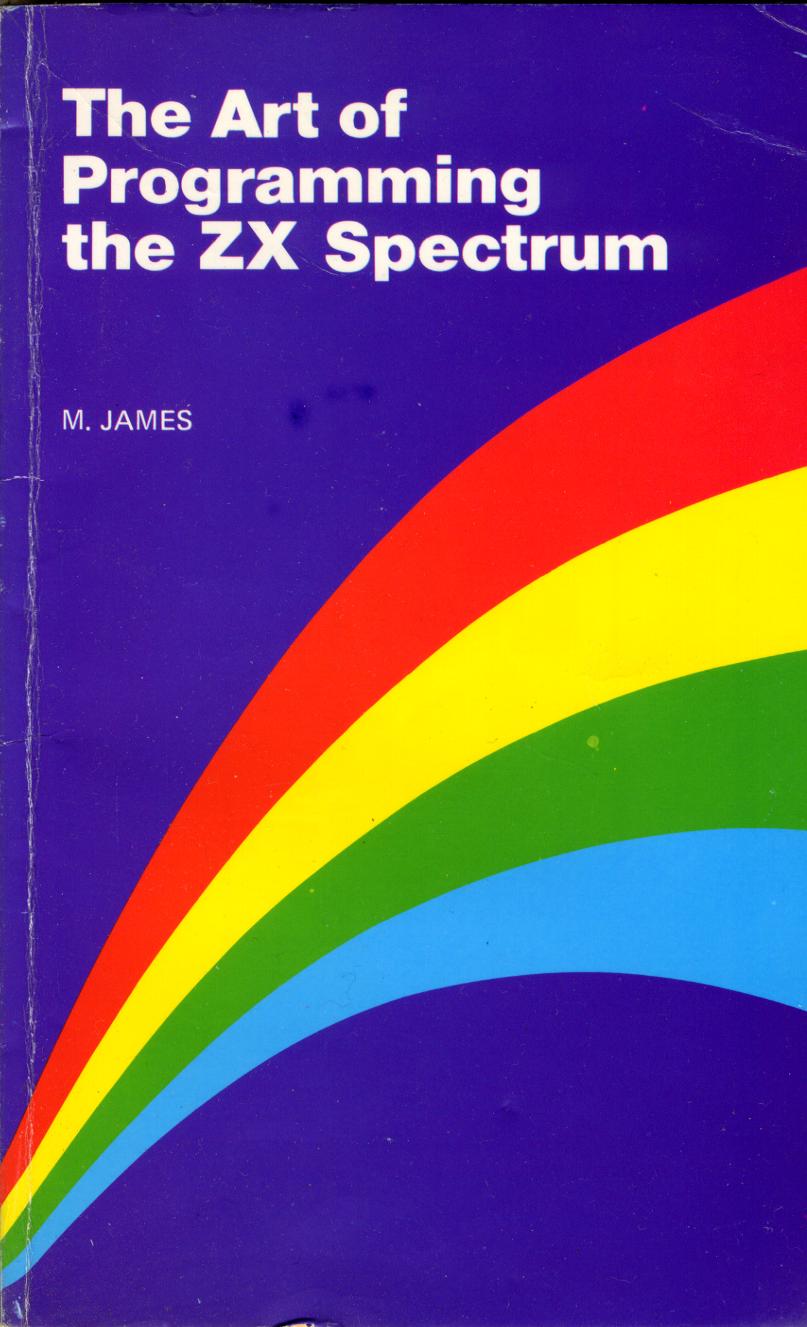
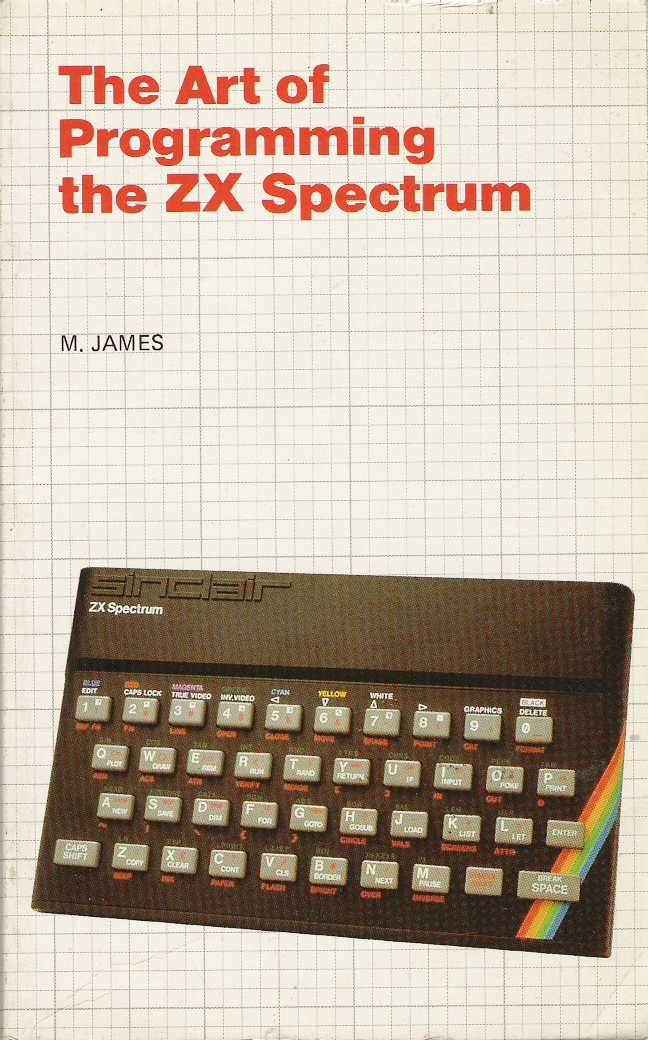
(DeMuiderkringB.V.).jpg)
Discussion
Nobody has started a thread about this yet.
Releases
- 1983Bernard Babani Publishing LtdPound sterling 2.50
- 1983De Muiderkring B.V. Sold as ZX Spectrum: Leren Programmeren
Documents
- Art%20of%20Programming%20the%20ZX%20Spectrum.pdfComplete book English
Files and rights
No permission is on record either way. Screens and pictures are copied here on a take-down basis: if you hold the rights and want something removed, say so and it goes.
Credits
- Mike Jamescredited
Sign in to credit somebody, or say what these people did.
In the magazines 1
ZX Computing #7Jun 1983 · p.78
Patrick Cain
'The Art of Programming the ZX Spectrum' is the third in 'The Art of...' and completes the series written for the Sinclair Micro range. By the coauthor of the other two excellent accompaniments to the ZX80 and '81, M James, the Spectrum edition is a pocket size reader discussing the techniques of successful Spectrum BASIC application. Throughout the series, the approach has been a simple one, examining the capabilities of the machine and suggesting programming techniques that achieve maximum effect. The reader is required to have passed elementary programming but little further By making explanations jargon-free and simple to follow and by illustrating each point with practical examples, advanced insight to programming is offered. At no point is the subject likely to be beyond the grasp of most readers. The result, a book that turns straightforward BASIC into really effective programs, and computer users into programmers. In this book, the same format is closely followed. Chapter two takes to task the area of graphics and explains some of the myriad terms associated with it. Terms that other computer books and publications often bandy about as everyday words but ones that can easily confuse. Following these explanations are applications where 'User-defined graphics' 'Inverse and Over', 'Bright and Flash' might be used to manipulate the screen display. None of these are an end in themselves but without such knowledge it would be difficult to progress. Further, chapter four deals with high resolution, the graphics commands, how to draw circles and ellipses, where high resolution graphics can be used to enhance games and how their use can be a disadvantage. Breaking from the theory for a time, there is the 'Arrows Game' which is fun to play and highlights much of the topics discussed. By the time you get through chapter six where moving graphics are introduced, you will be becoming aware of how arcade games like 'Squash' and 'Lunar Landing' are constructed; if not, don't worry as a lengthy explanation of each program is provided. Other programs illustrate more of the techniques of games graphics and by the end of the chapter, you should be in a position to expand and improve upon the programs written and include them in your own games. Indeed, as far as graphics are concerned you ought to be well and truly in the picture! Chapter five deals with the sound capability of the Spectrum; unfortunately, it is rather limited and anything too complicated is beyond the scope of both the machine and the book. Maybe no book titled 'The Art of Programming the ZX Spectrum' would be doing its job properly, if it did not investigate PEEK and POKE, as both areas that are fairly advanced; but whilst the bounds of this book do not extend to fully cover the subject, I felt that which was given was a little cursory. Similarly, areas other than graphics, which gets another airing in chapter ten, were perhaps just too concise, requiring more of the reader and consequently less suited to new readers. Disappointing, as the previous books had usually been suitable for almost all levels of micro buffs. In comparison to its predecessor 'The Art of Programming the ZX Spectrum' is a poor relation, though in comparison to many books that attempt to do the same sort of thing it is highly recommended and at £2.50, you certainly will not be wasting money. 'The Art of Programming the ZX Spectrum' is written by Mr. James and published in paperback form by Bernard Babani (Publishers) Ltd, [redacted].
Reviews from people here
Sign in to write about this, or make an account. It takes a minute and lets you correct the catalogue too.
No description recorded.
Sign in to correct or add to this.
Hold the rights to this and want it taken down?